
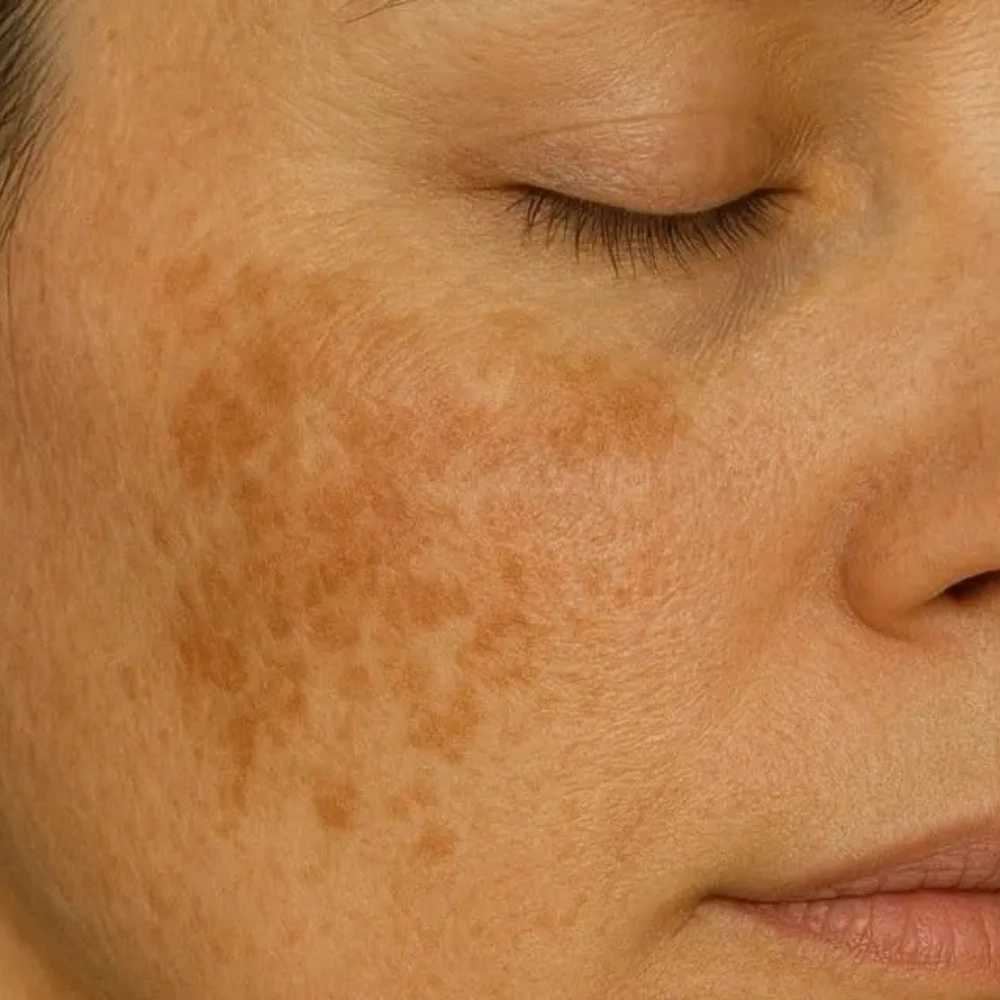
Holistic Melasma Management
At Prime Skin Clinic, Dr. Ipsa believes that successful melasma treatment goes beyond creams and procedures. Since melasma is strongly influenced by sunlight, heat, hormones, and inflammation, a comprehensive approach is essential for long-term control. We place significant emphasis on daily broad-spectrum sunscreen use, physical sun protection with hats and umbrellas, minimizing direct sun and heat exposure, and adopting lifestyle modifications that help reduce triggers. While melasma is a chronic condition without a permanent cure, it can be effectively managed and controlled through a combination of medical treatments, procedures, and preventive strategies tailored to each individual.

Topical Medications for Melasma
Topical medications form the foundation of melasma treatment and work by reducing excess pigment production and improving overall skin tone. Depending on the severity and type of pigmentation, ingredients such as hydroquinone, kojic acid, glycolic acid, alpha-arbutin, and 4-butylresorcinol may be prescribed. These scientifically proven agents help lighten pigmentation gradually while preventing further darkening of the skin. Treatment plans are customized to maximize results while maintaining skin health and minimizing irritation.
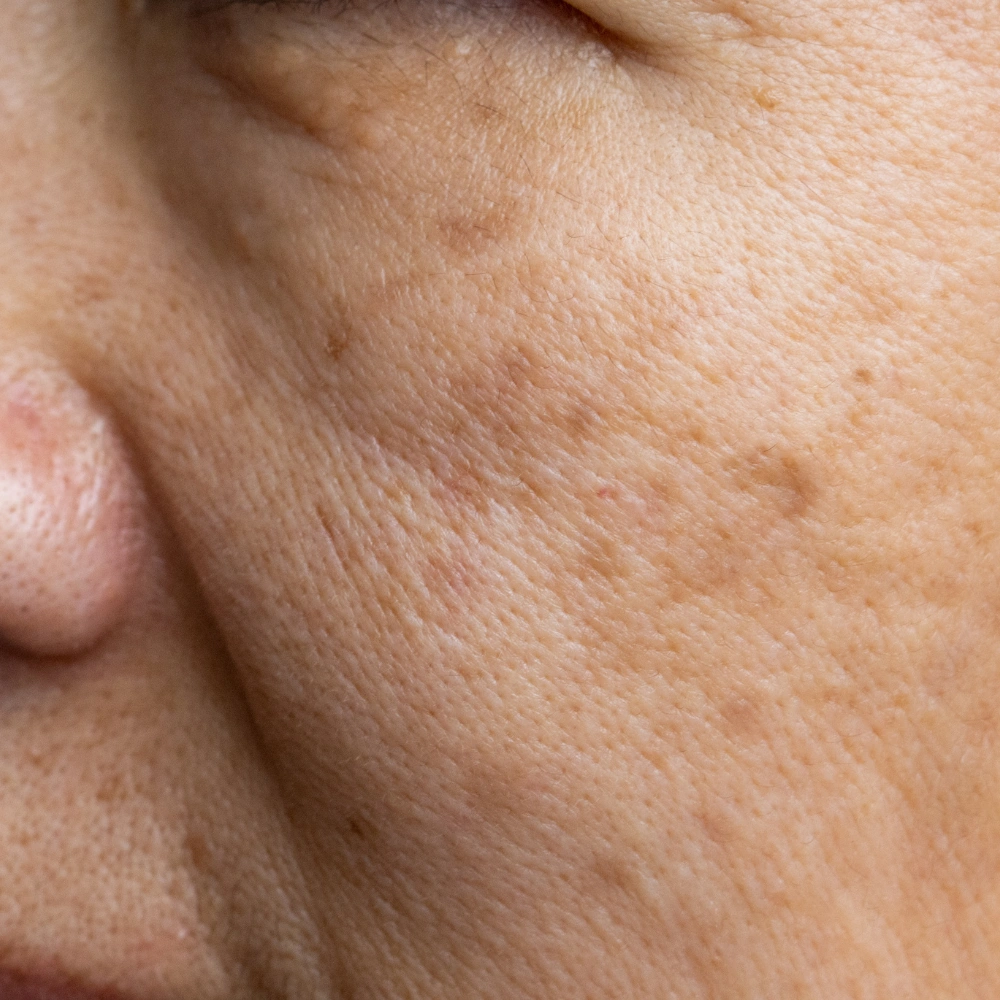
Oral Medications for Melasma
For patients with persistent or recurrent melasma, oral medications may be recommended as part of a comprehensive treatment plan. Tranexamic acid has shown excellent results in reducing pigmentation by targeting the underlying pathways involved in melasma formation. Oral antioxidants such as glutathione may also help reduce oxidative stress and support skin brightening. These medications are prescribed after careful evaluation and are often combined with topical treatments and strict sun protection to achieve optimal results.

Treatment Options Available
Advanced in-clinic procedures can further enhance melasma management and help improve overall skin clarity. At Prime Skin Clinic, treatment options include glycolic acid peels, yellow peels, lactic acid peels, and arginine peels, which promote controlled exfoliation and gradual pigment reduction. In selected cases, Q-switched LASER treatments may be used to target deeper pigmentation and resistant patches. Since melasma requires long-term maintenance, treatment protocols are individualized to provide safe, effective, and sustainable results.
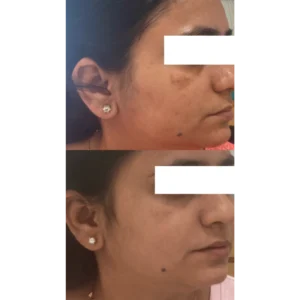
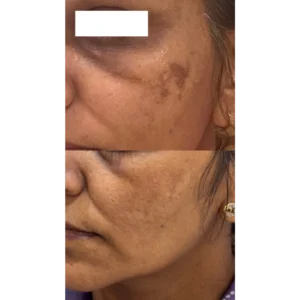
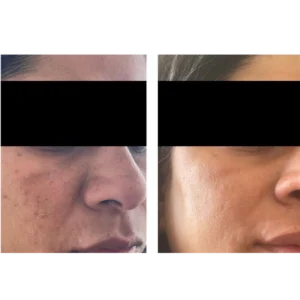
Before / After
Useful Links
- Home
- About Us
- Services
- Contact Us
- Skin Care